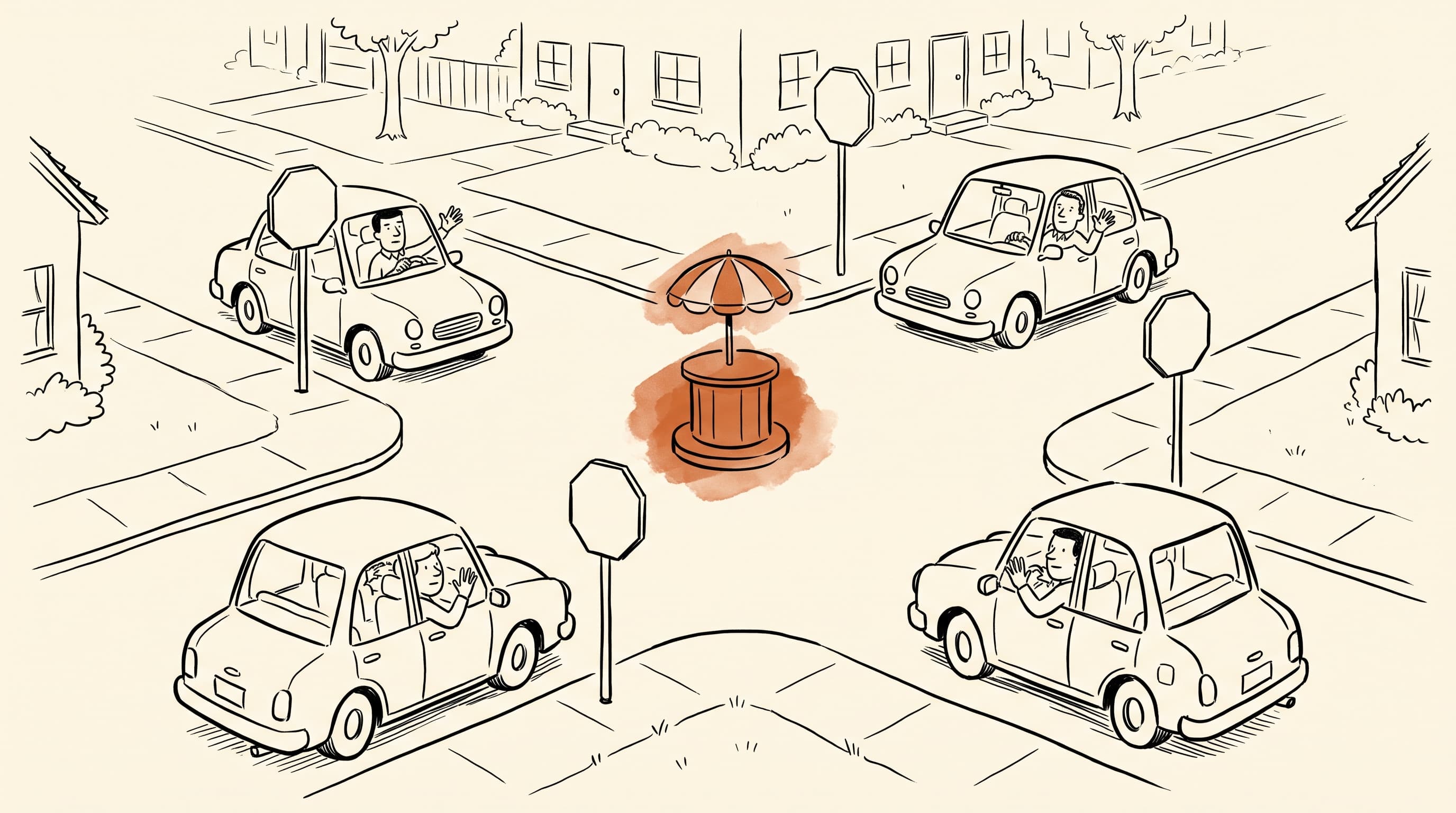
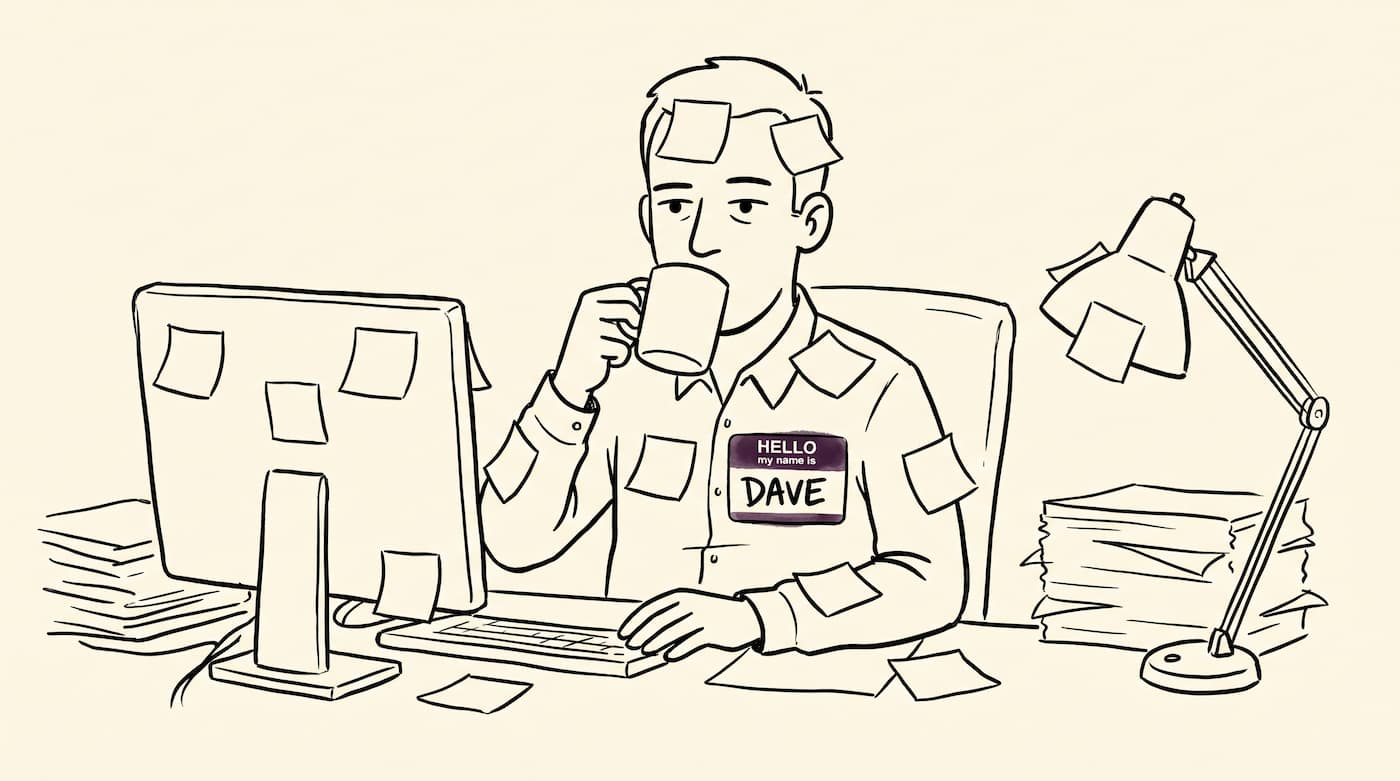
Every company has a Dave: the person the whole operation runs through. At a startup it's usually the founder. Here's what handing over the calls actually takes.
A founder asked me which title takes over the coordination he can't keep doing. I read 111 job postings to find out. Every title gets a slice of the job.
A founder on Reddit hired strong people for every function and ended up spending half his week connecting one team to another. Here's what's actually left on his desk.
A Reddit thread on whether AI destroyed product craft drew 140 comments and one great fix: write the kill criterion down before the build. Nobody asked who's allowed to pull it.
He did something more useful than most people do when they ask this question. He wrote the list. Then fifty-three comments argued about junior versus senior, fractional versus part-time, and nobody looked at the work itself.
Your tech lead knows exactly what broke. What your tech lead might not know is that the same release carried the one feature you promised the board would be live by Thursday.
A client had built an automated intake system. Requests came in, got routed, got assigned to a named human being. I asked what the business rule was for one of the assignments. Nobody had an answer.
More agents doesn't mean more control — it just makes it easier to lose your own grip on what you're actually running. Here's how to tell if it's already happened.
You've tried the tool, the hire, the process, and doing it yourself. None of it worked. Here's the one job those fixes were never built to do — and what actually closes the gap.
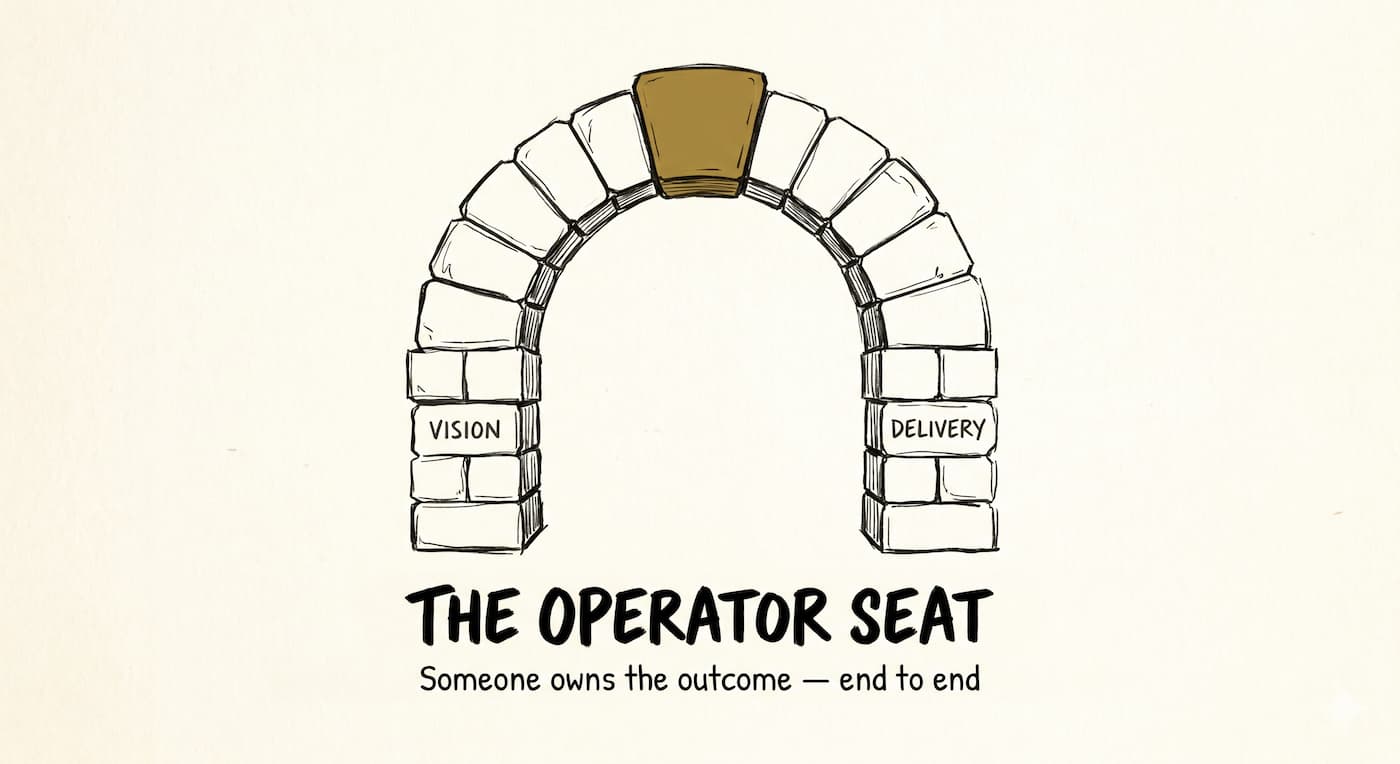
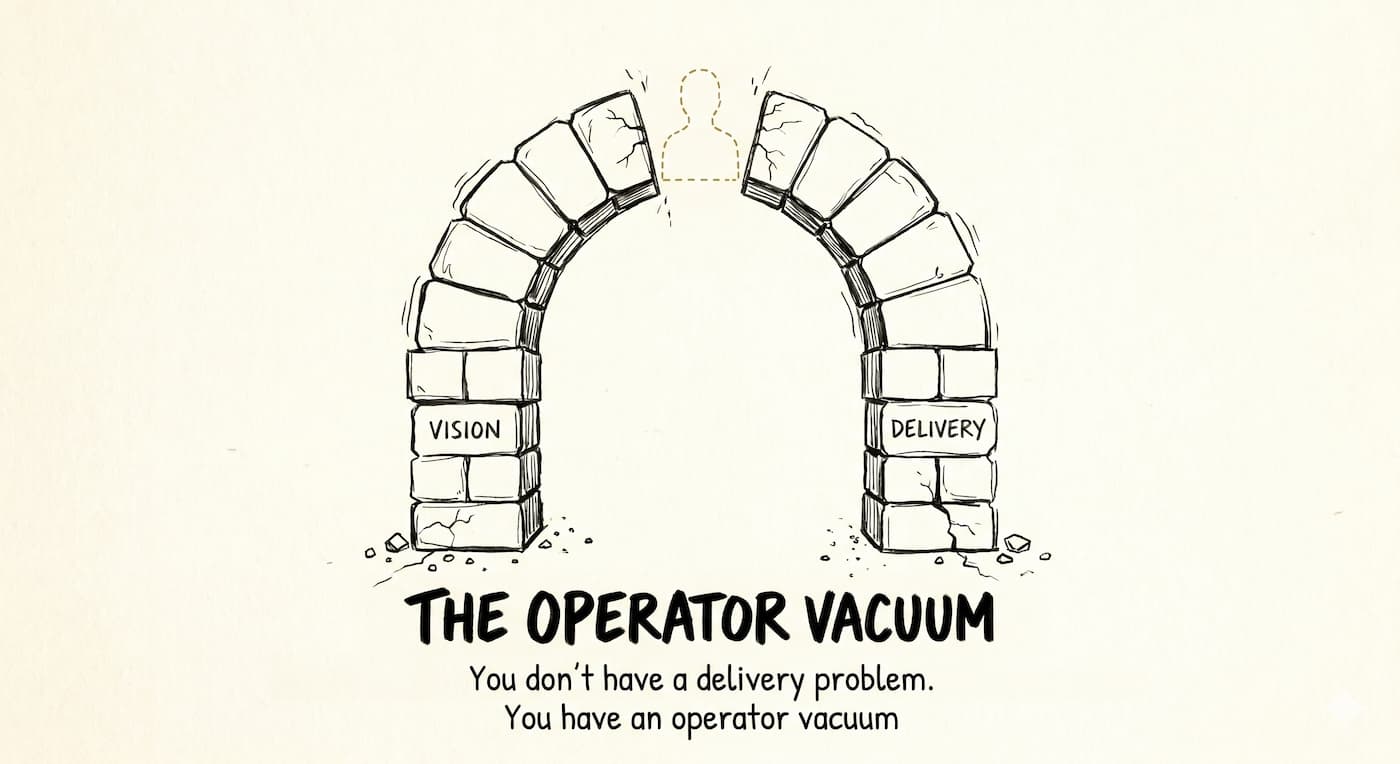
Last week's piece named the Operator Vacuum. This week: what's supposed to fill it, and why most orgs have someone doing the job without anyone having designed the role.
You hired for outcomes. But the real value — the part that makes outcomes stick — happens in the 80% before any solution takes shape. Here's what leaders miss, and what readiness actually looks like.
The JD describes the problem you can see. The job that actually needs doing is usually one layer underneath it. A pattern I keep running into — across tech, startups, and commercial forestry.
AI closed the documentation gap most product teams spend years trying to close. But it revealed a different one — the gap between having information and having internalized understanding. That's where leadership actually lives.
A fully loaded roadmap doesn't guarantee compounding value. Learn how to maintain clarity of mind, respect your foundational strategy, and catch product drift before it eats your runway.
Most founders treat an MVP like a stripped-down version of their final vision. That is how you build an inadequate product that takes too long. To ship something that matters, you need to define exactly one core flow—and ruthlessly cut everything that doesn't block it.
Refusing to choose is far more dangerous than moving slowly. If you haven't explicitly ranked your project sliders, the universe will rank them for you.
Early traction answers one question well: does anyone care? It answers a much harder one very poorly: does this work as a business? This piece examines why teams defer unit economics, how early momentum masks structural risk, and why waiting to confront viability is one of the most expensive mistakes a startup can make.
Early customer conversations can be useful — but they’re often mistaken for validation. When anecdotes replace evidence, teams move faster with more confidence, not less risk. This post explains why that’s dangerous, how it quietly distorts early product decisions, and what “validation” actually has to do at this stage.
Early-stage teams often mistake motion for clarity. When a product thesis isn’t defensible, every downstream decision becomes noisier, slower, and more expensive than it needs to be.