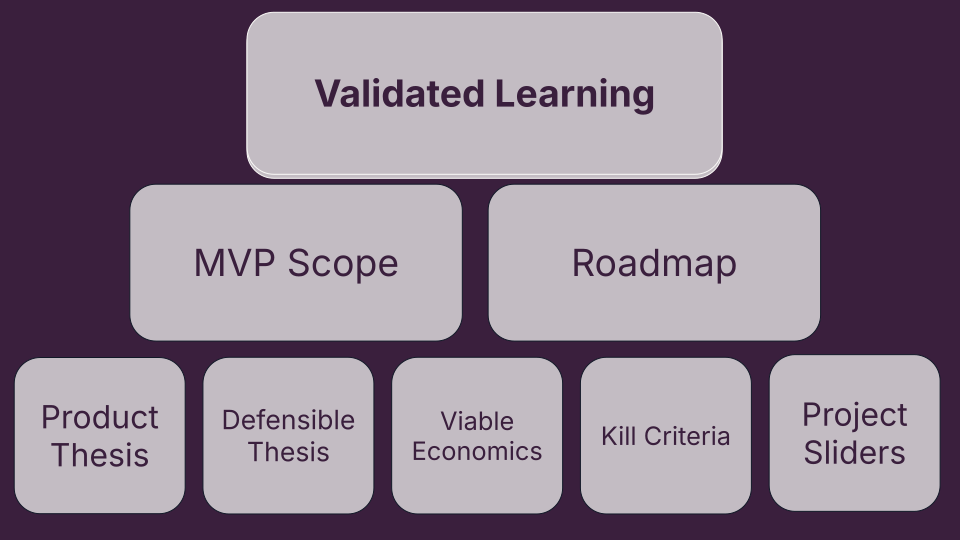
A fully loaded roadmap doesn't guarantee compounding value. Learn how to maintain clarity of mind, respect your foundational strategy, and catch product drift before it eats your runway.
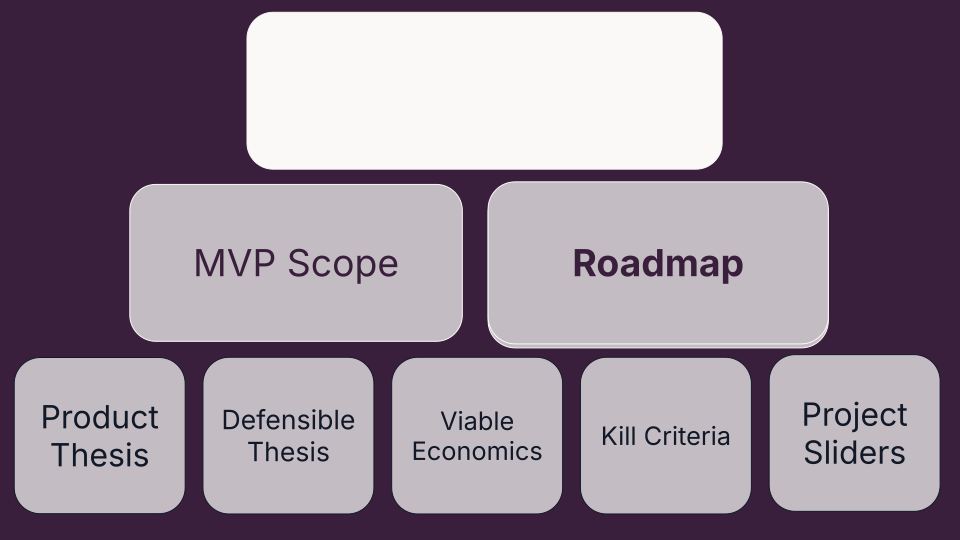
You've got scope. Now you need a sequence. But if your roadmap looks like a detailed 6-month delivery schedule, it's a fiction. Learn why the only question that matters at 0→1 isn't "what do we ship next?"—it's "what do we need to learn next?"
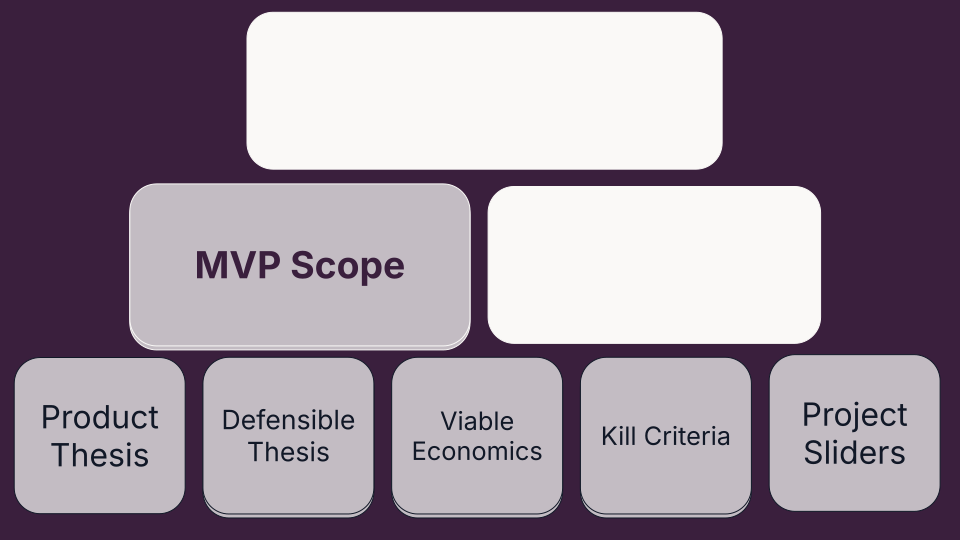
Most founders treat an MVP like a stripped-down version of their final vision. That is how you build an inadequate product that takes too long. To ship something that matters, you need to define exactly one core flow—and ruthlessly cut everything that doesn't block it.
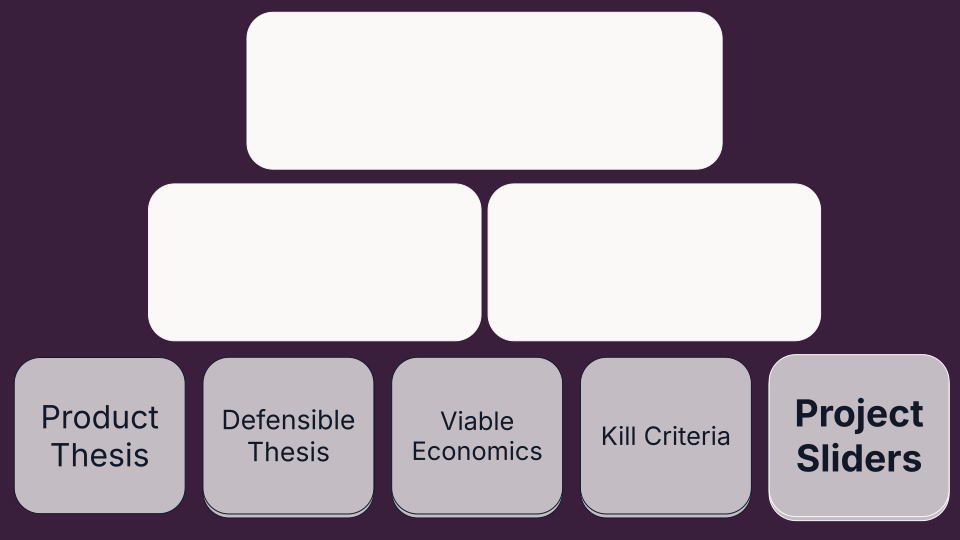
Refusing to choose is far more dangerous than moving slowly. If you haven't explicitly ranked your project sliders, the universe will rank them for you.
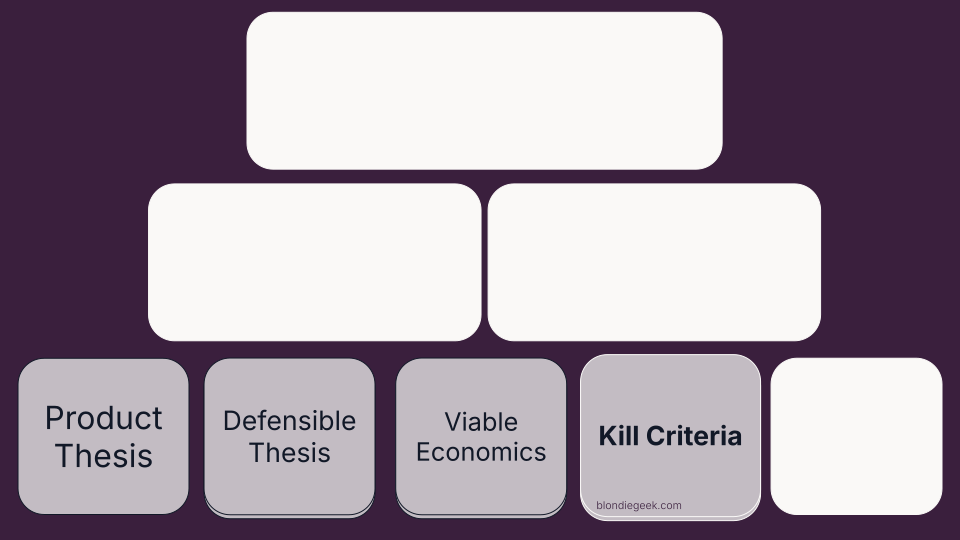
You’ve done the thinking. You have a thesis. The model might work. So the urge to build kicks in. But this is the moment founders lose objectivity — when sunk cost, identity, and optimism start distorting signals. Without clear failure criteria, MVPs expand, evidence gets reinterpreted, and money burns while confidence stays high. The real risk isn’t quitting too early. It’s continuing too long.
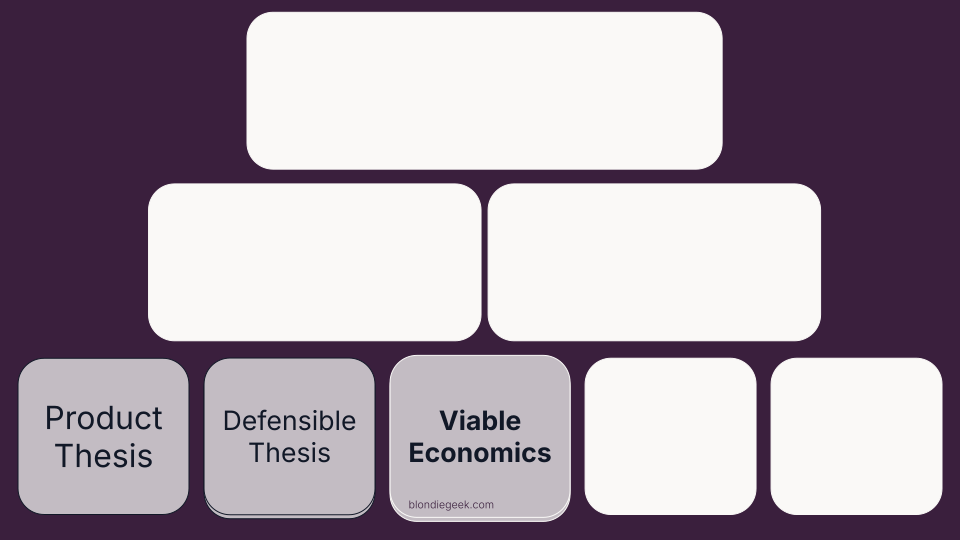
Early traction answers one question well: does anyone care? It answers a much harder one very poorly: does this work as a business? This piece examines why teams defer unit economics, how early momentum masks structural risk, and why waiting to confront viability is one of the most expensive mistakes a startup can make.
Early customer conversations can be useful — but they’re often mistaken for validation. When anecdotes replace evidence, teams move faster with more confidence, not less risk. This post explains why that’s dangerous, how it quietly distorts early product decisions, and what “validation” actually has to do at this stage.
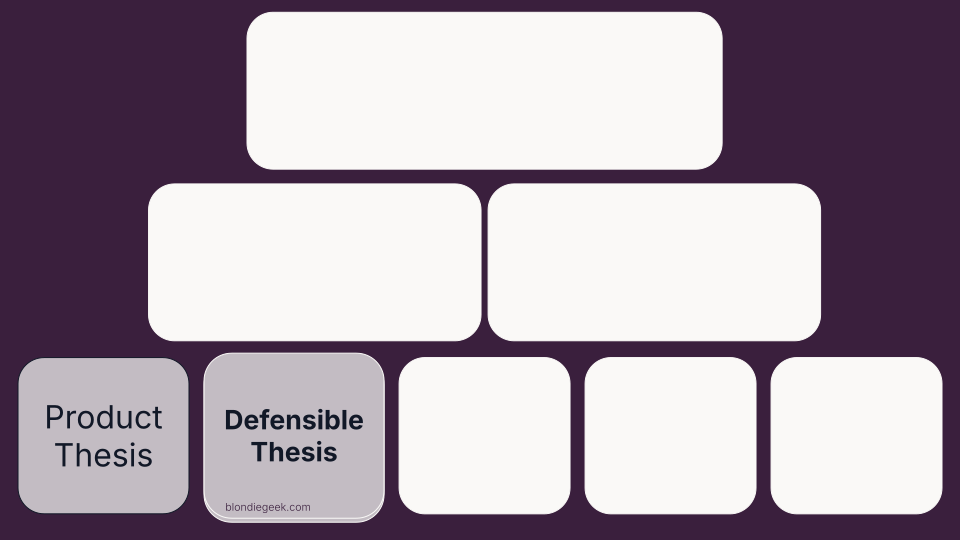
Early-stage teams often mistake motion for clarity. When a product thesis isn’t defensible, every downstream decision becomes noisier, slower, and more expensive than it needs to be.