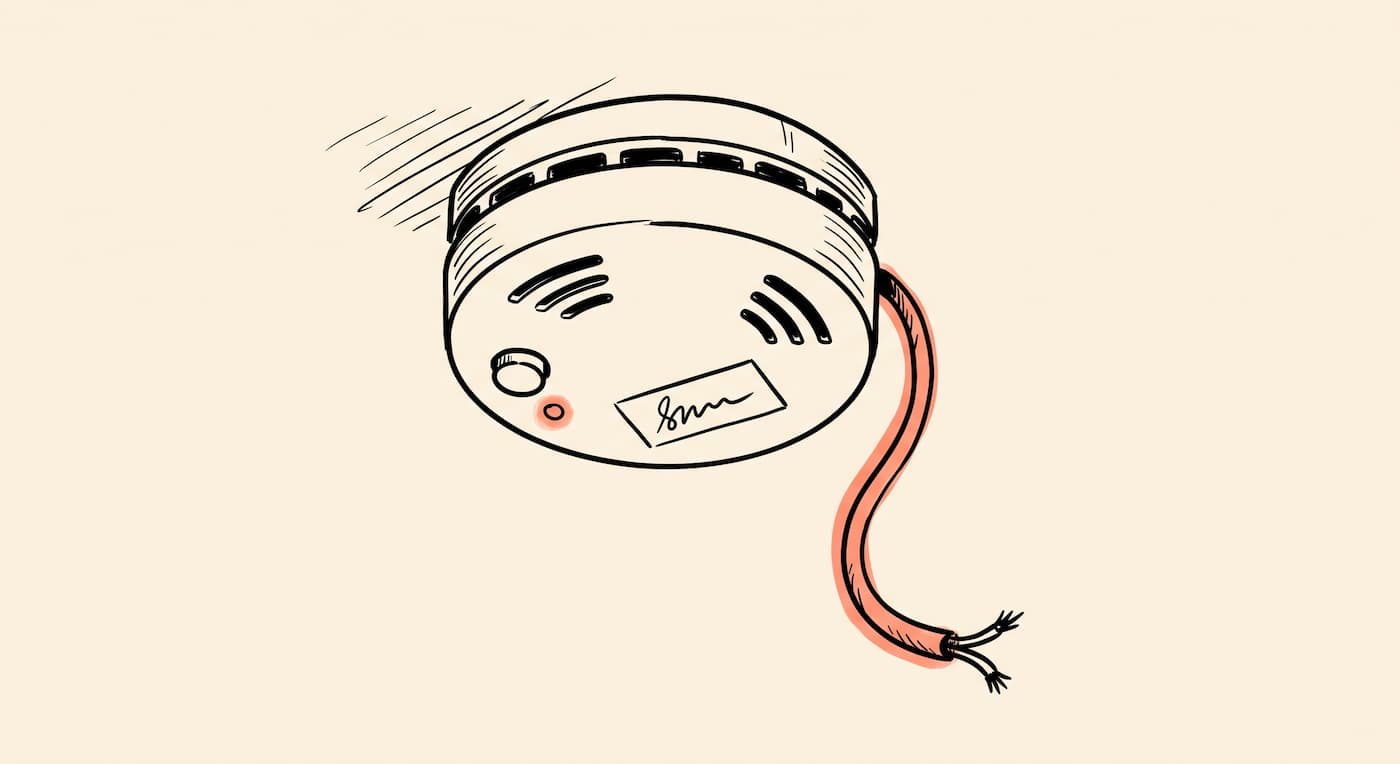
Your tech lead knows exactly what broke. What your tech lead might not know is that the same release carried the one feature you promised the board would be live by Thursday.
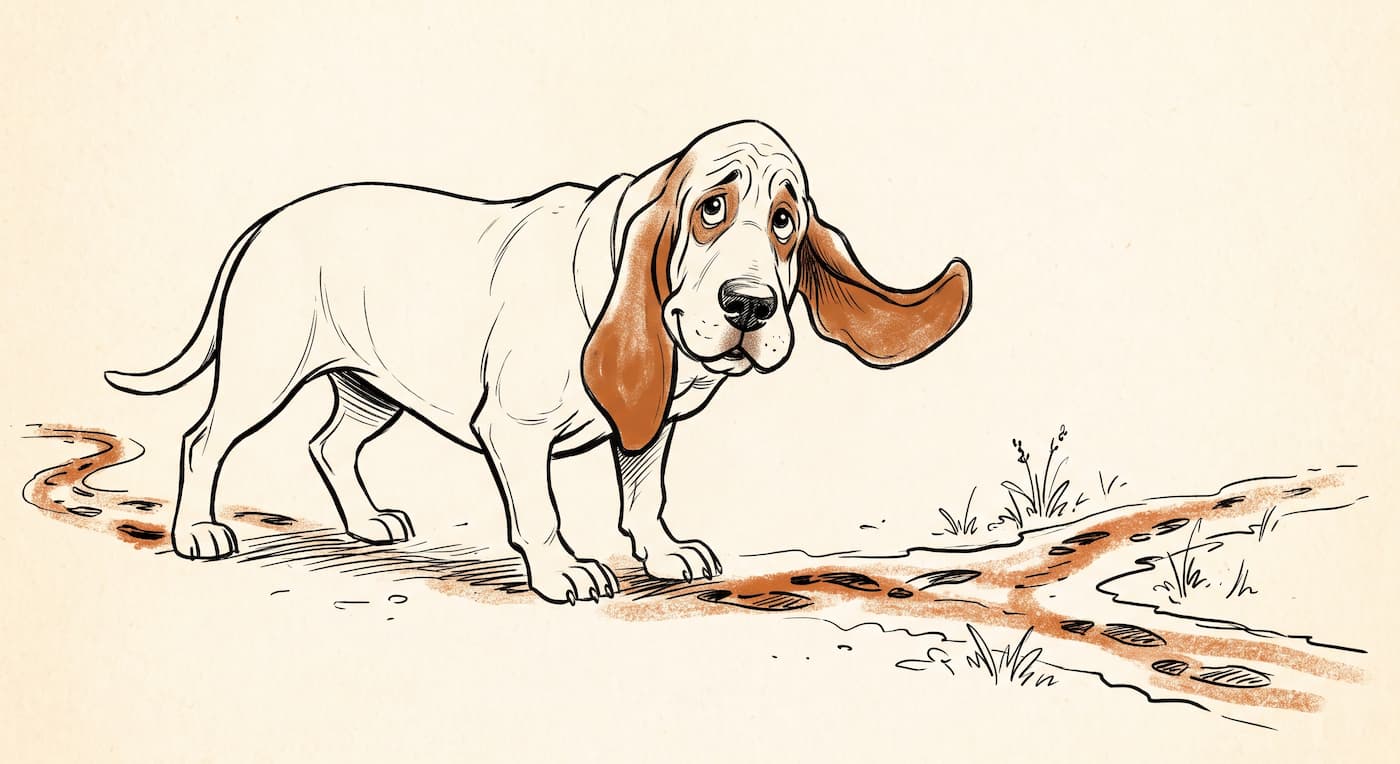
A client had built an automated intake system. Requests came in, got routed, got assigned to a named human being. I asked what the business rule was for one of the assignments. Nobody had an answer.
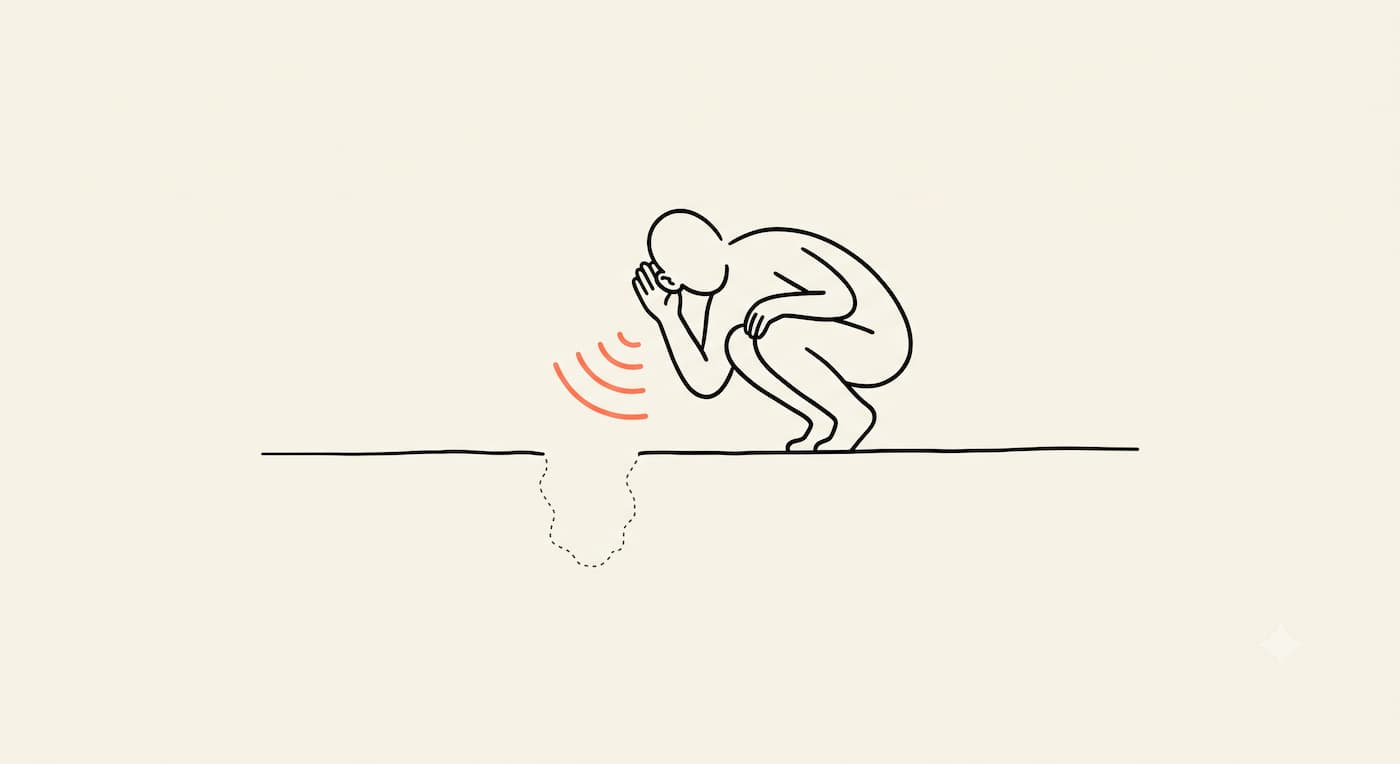
More agents doesn't mean more control — it just makes it easier to lose your own grip on what you're actually running. Here's how to tell if it's already happened.
The old sequence — understand deeply, then design, then build — existed because building was expensive. That constraint is gone. The question is whether your process knows it yet.
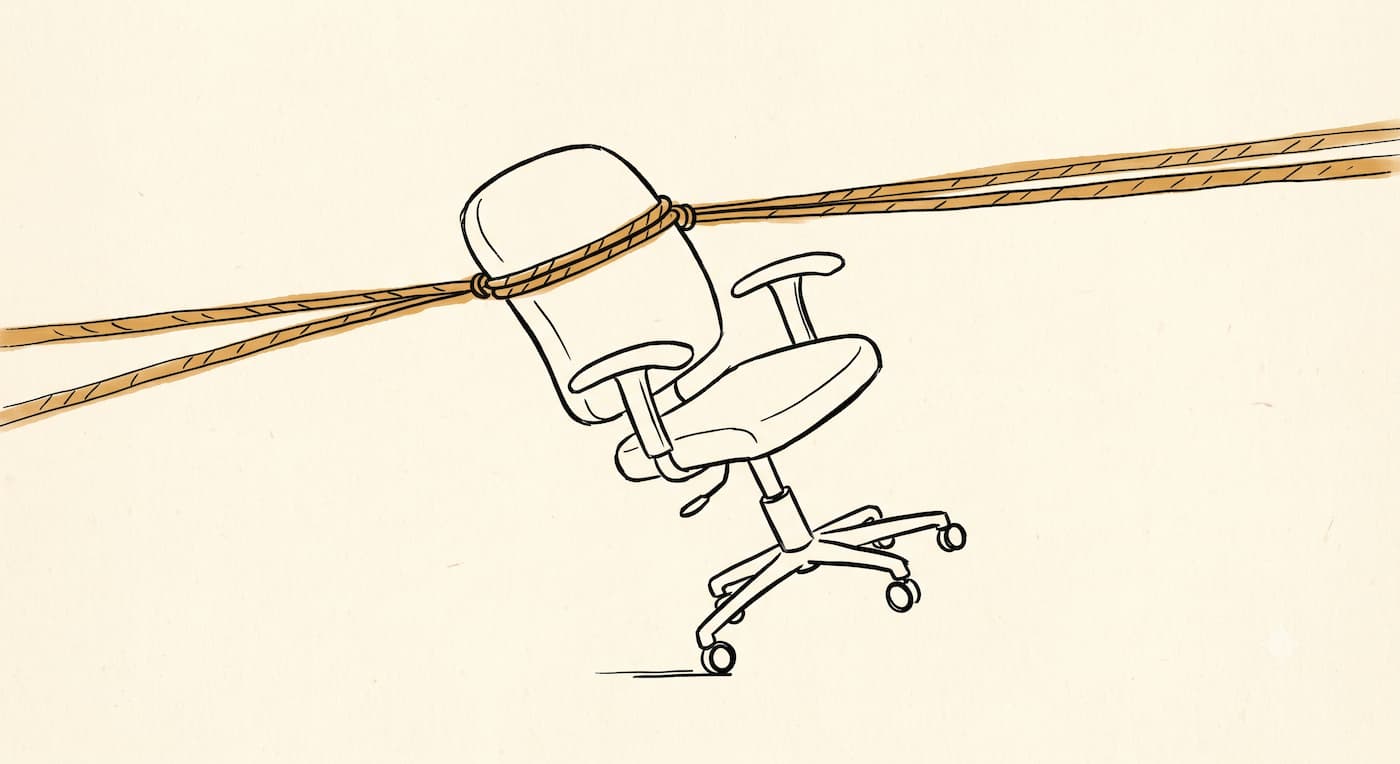
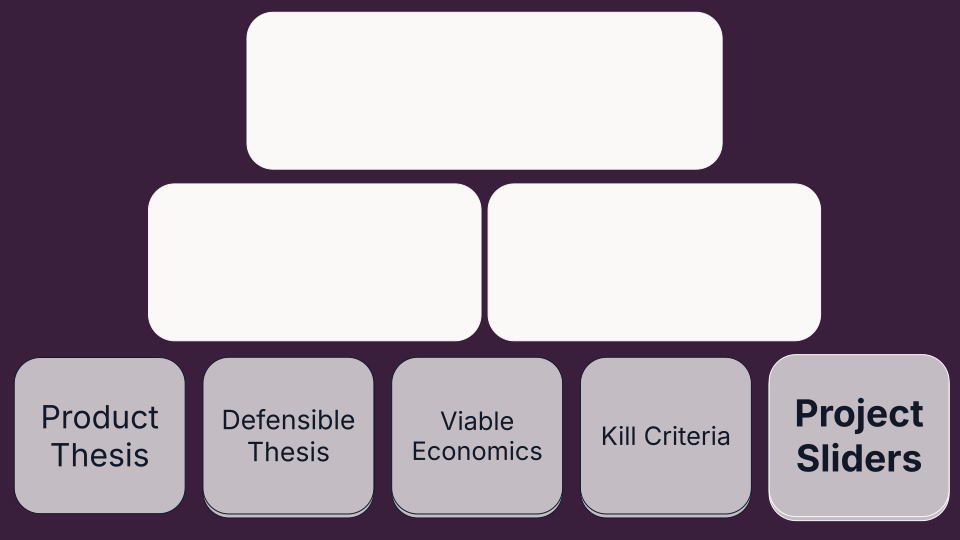
Refusing to choose is far more dangerous than moving slowly. If you haven't explicitly ranked your project sliders, the universe will rank them for you.
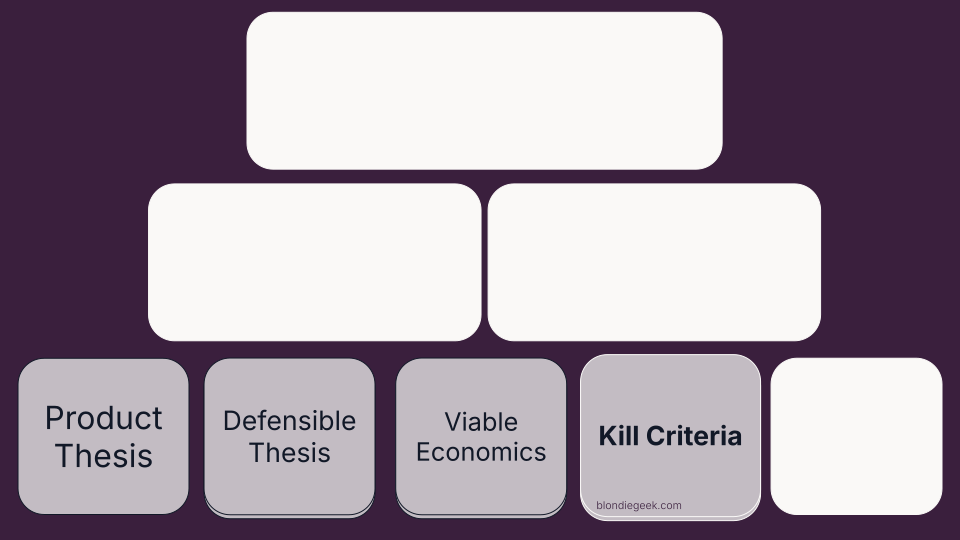
You’ve done the thinking. You have a thesis. The model might work. So the urge to build kicks in. But this is the moment founders lose objectivity — when sunk cost, identity, and optimism start distorting signals. Without clear failure criteria, MVPs expand, evidence gets reinterpreted, and money burns while confidence stays high. The real risk isn’t quitting too early. It’s continuing too long.
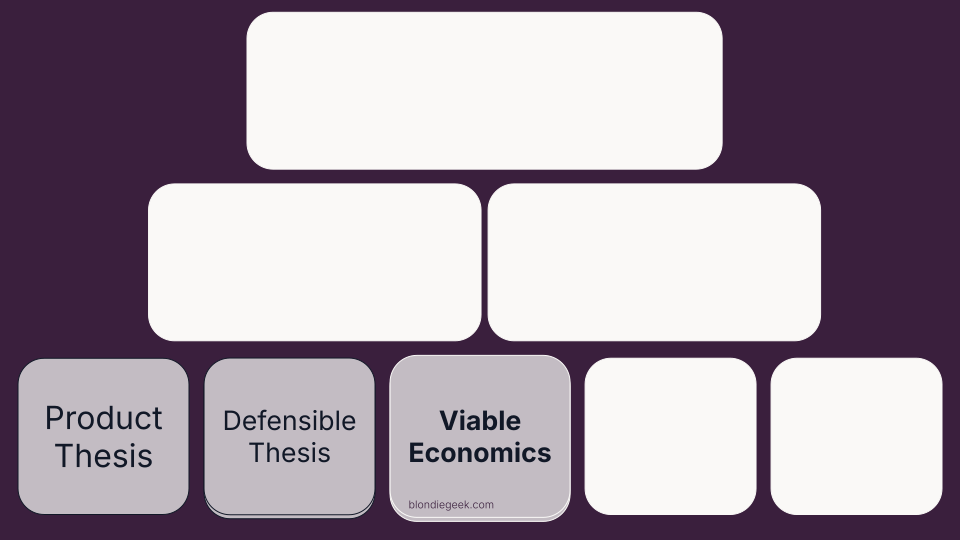
Early traction answers one question well: does anyone care? It answers a much harder one very poorly: does this work as a business? This piece examines why teams defer unit economics, how early momentum masks structural risk, and why waiting to confront viability is one of the most expensive mistakes a startup can make.
Early customer conversations can be useful — but they’re often mistaken for validation. When anecdotes replace evidence, teams move faster with more confidence, not less risk. This post explains why that’s dangerous, how it quietly distorts early product decisions, and what “validation” actually has to do at this stage.
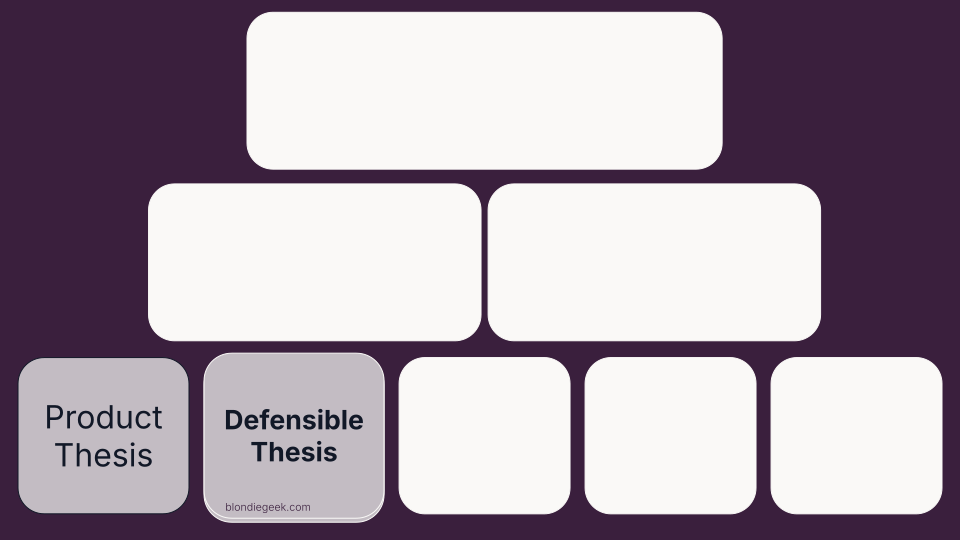
Early-stage teams often mistake motion for clarity. When a product thesis isn’t defensible, every downstream decision becomes noisier, slower, and more expensive than it needs to be.
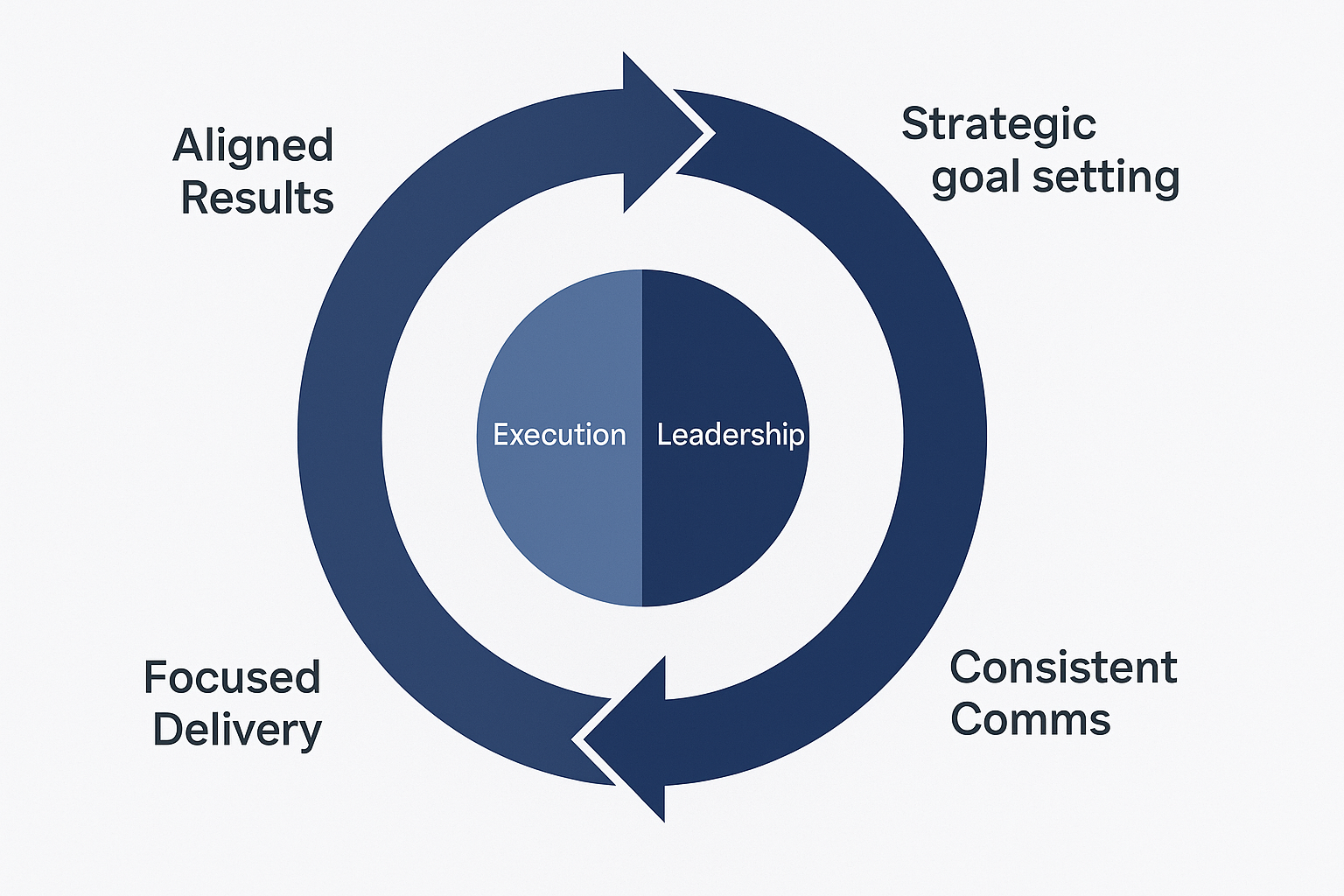
Teams don’t fail because they can't execute — they fail when goals aren’t visible and aligned week to week. The “execution flywheel” is a lightweight weekly cadence that makes goals transparent, builds trust, and sustains momentum.
Hire slow, fire fast’ isn’t about being ruthless — it’s about protecting your team. Rushed hires create long-tail damage, and delayed exits quietly drain morale. This piece breaks down what the mantra actually means in practice, and how strong leaders use it to build durable, high-performing teams.