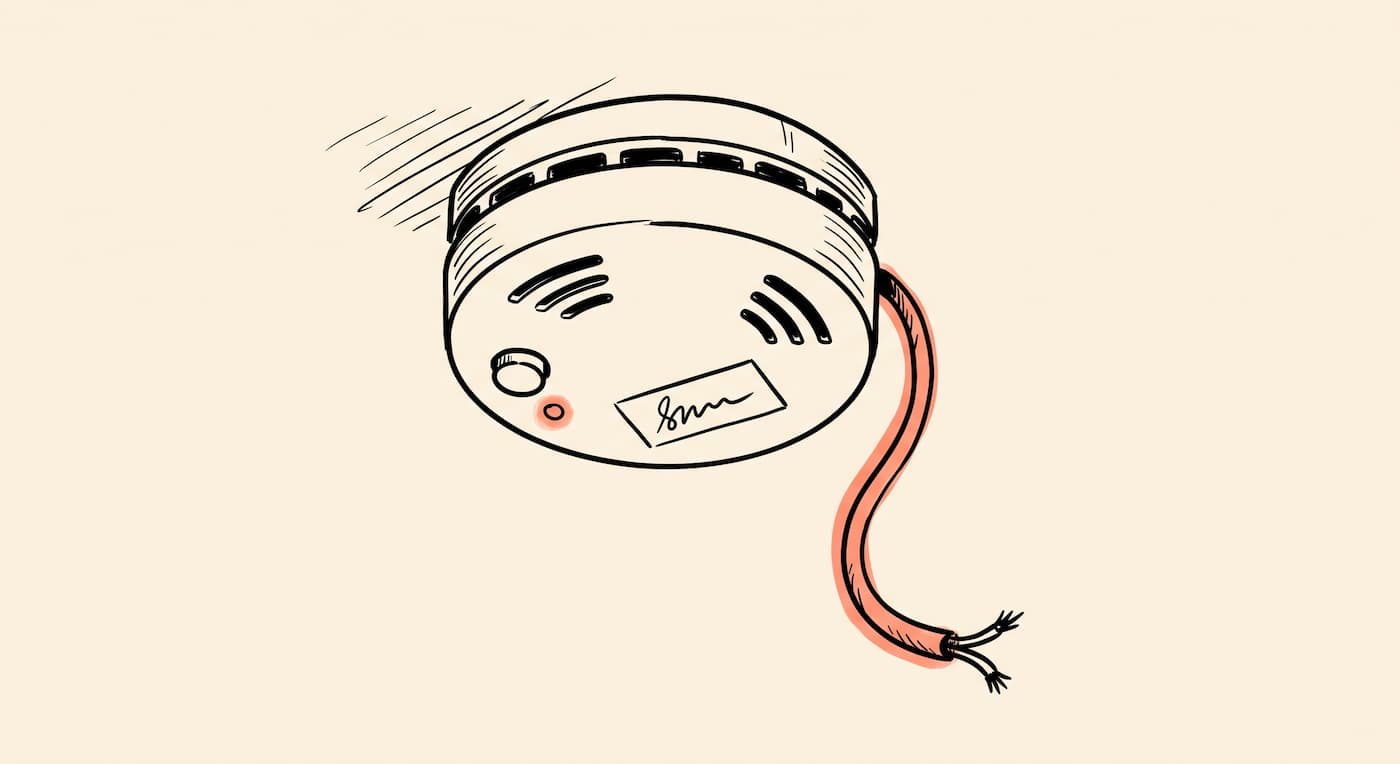
Your tech lead knows exactly what broke. What your tech lead might not know is that the same release carried the one feature you promised the board would be live by Thursday.
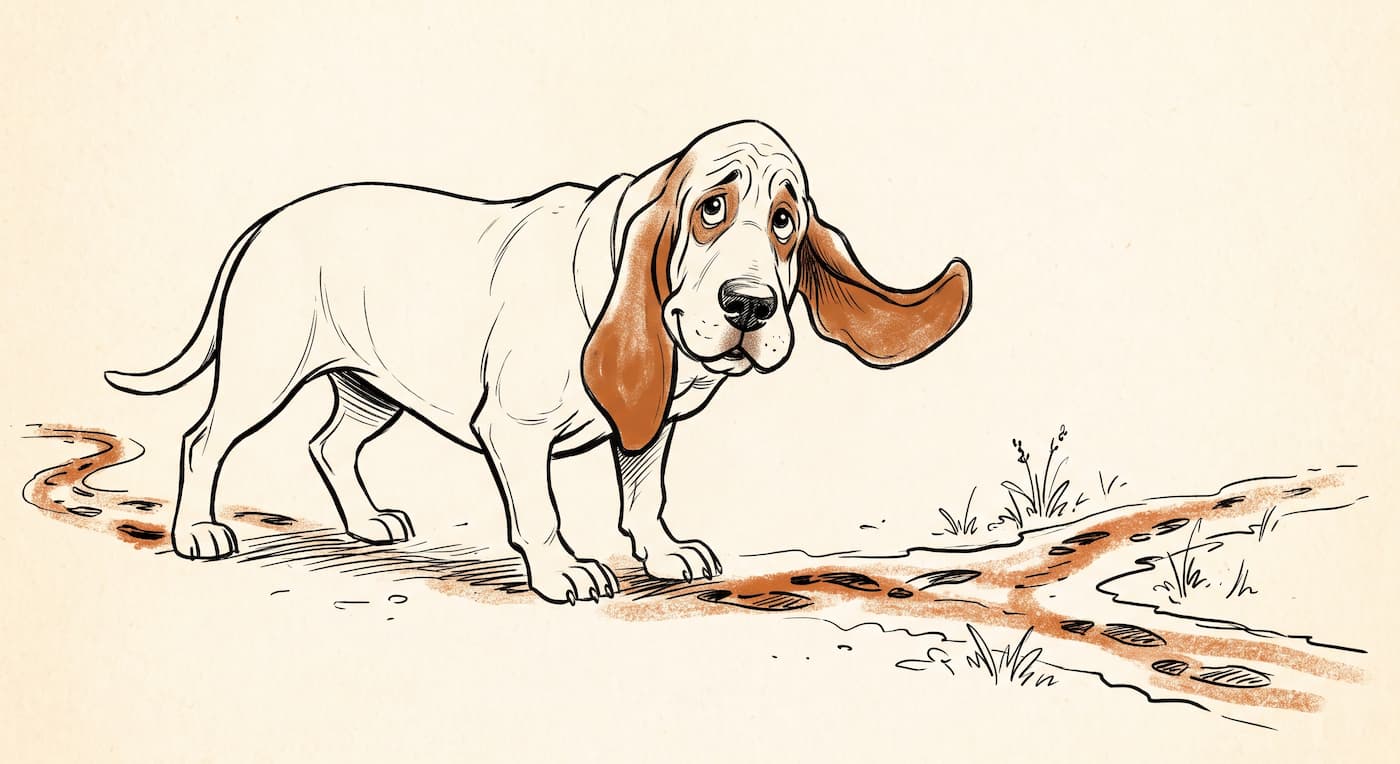
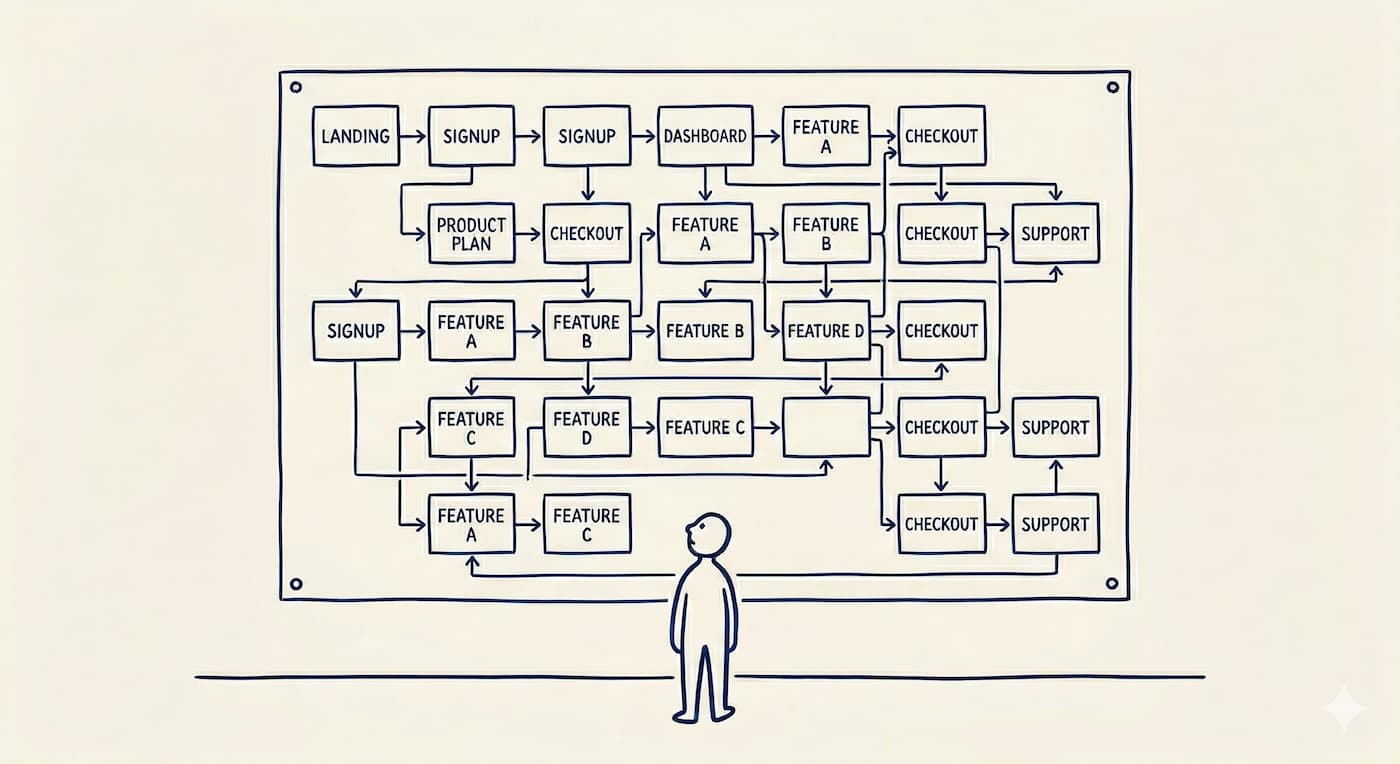
A client had built an automated intake system. Requests came in, got routed, got assigned to a named human being. I asked what the business rule was for one of the assignments. Nobody had an answer.
More agents doesn't mean more control — it just makes it easier to lose your own grip on what you're actually running. Here's how to tell if it's already happened.
You've tried the tool, the hire, the process, and doing it yourself. None of it worked. Here's the one job those fixes were never built to do — and what actually closes the gap.
You hired for outcomes. But the real value — the part that makes outcomes stick — happens in the 80% before any solution takes shape. Here's what leaders miss, and what readiness actually looks like.
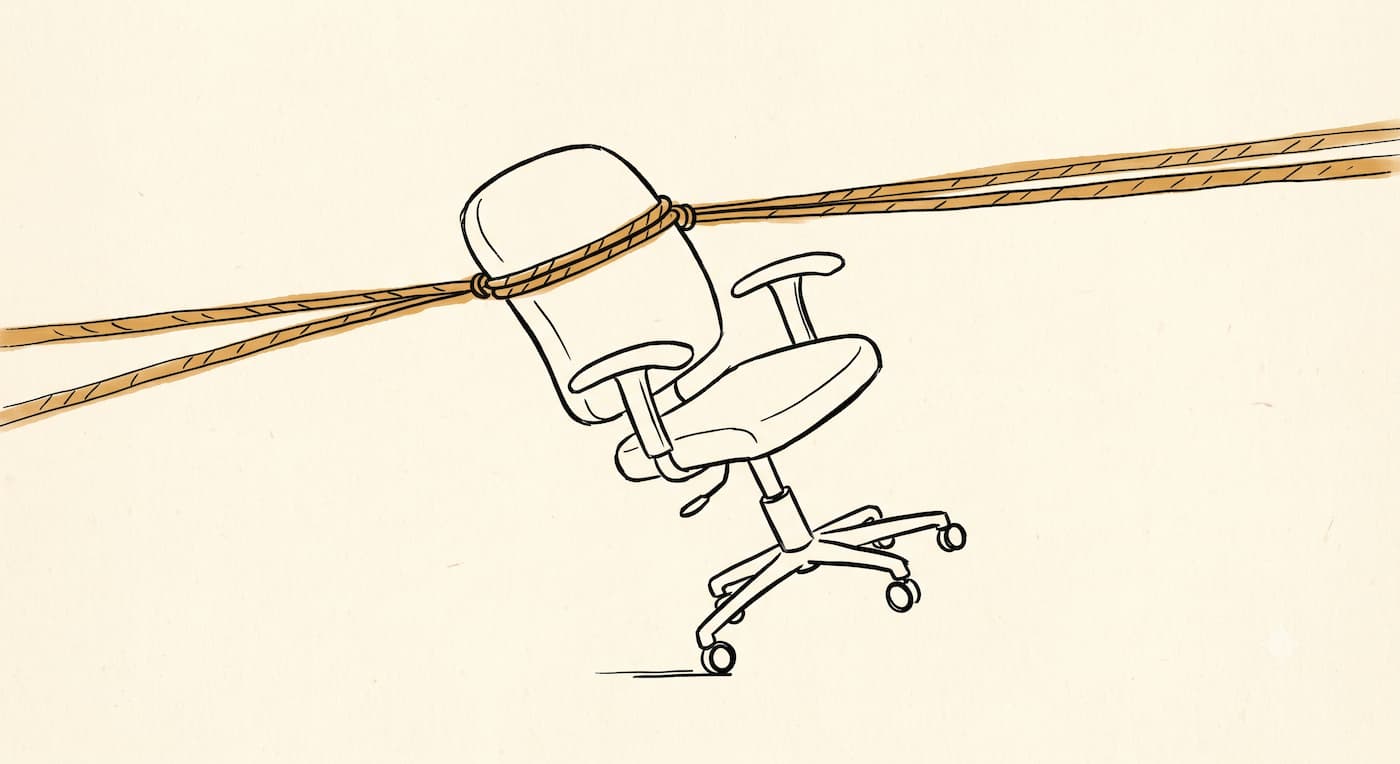
There are two leadership modes when you bring in a fractional operator: task-direction and goal-direction. Most leaders default to the first one. The engagement starts working when they switch to the second.
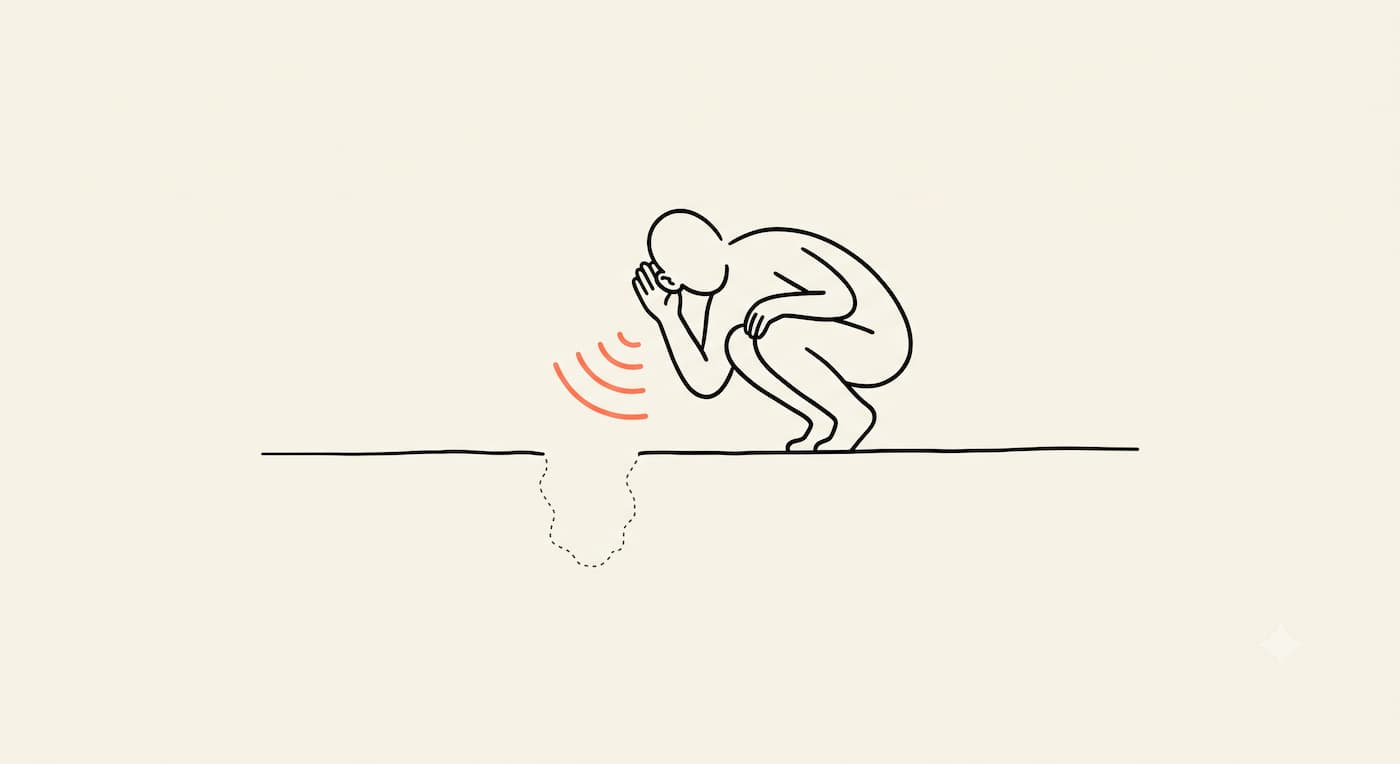
The JD describes the problem you can see. The job that actually needs doing is usually one layer underneath it. A pattern I keep running into — across tech, startups, and commercial forestry.
The generation effect is real — and AI just made it very easy to skip the step that builds judgment. Here's what that costs you, and when you'll notice.
AI closed the documentation gap most product teams spend years trying to close. But it revealed a different one — the gap between having information and having internalized understanding. That's where leadership actually lives.
AI is the hub of my workday now. I'm all in. And that's exactly why I'm more convinced than ever that the fundamentals are non-negotiable — because without them, you're just exploring everything and building nothing.
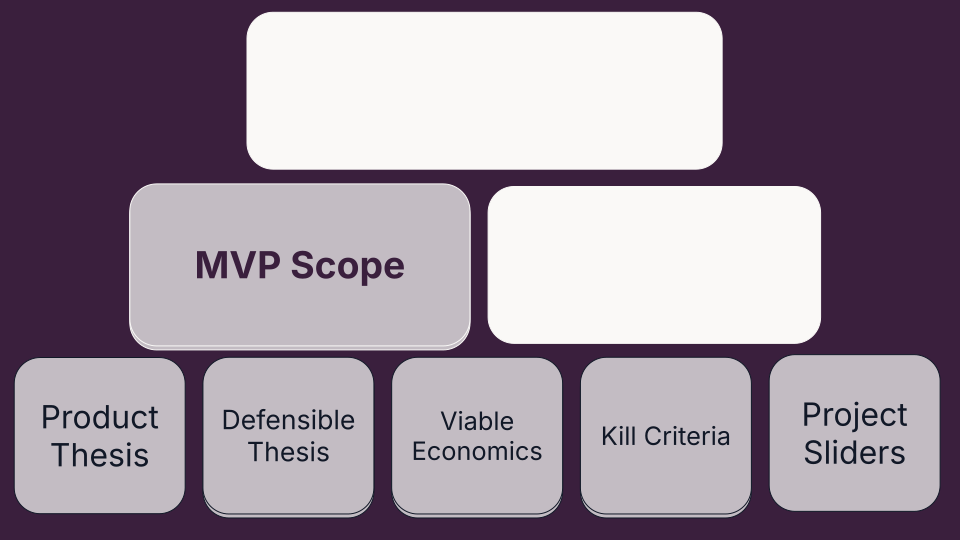
Most founders treat an MVP like a stripped-down version of their final vision. That is how you build an inadequate product that takes too long. To ship something that matters, you need to define exactly one core flow—and ruthlessly cut everything that doesn't block it.
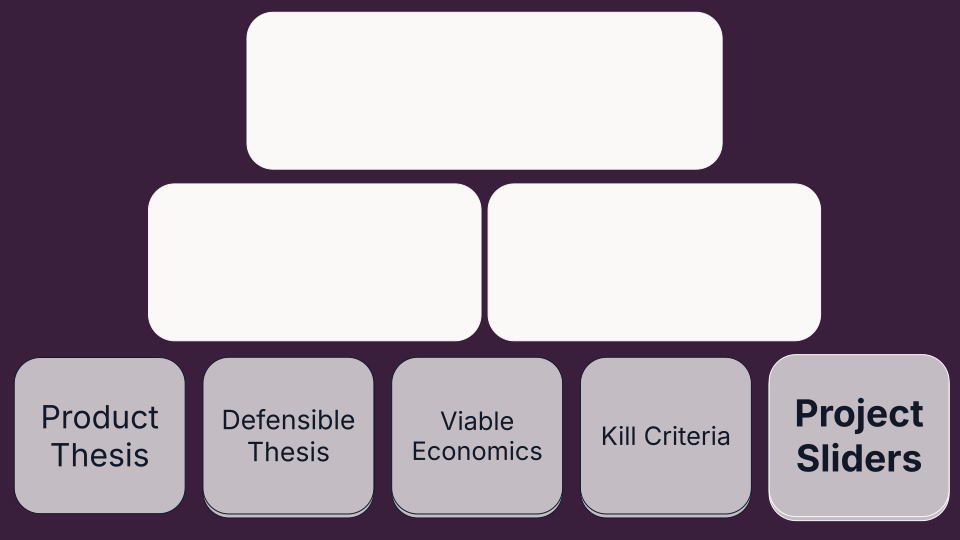
Refusing to choose is far more dangerous than moving slowly. If you haven't explicitly ranked your project sliders, the universe will rank them for you.
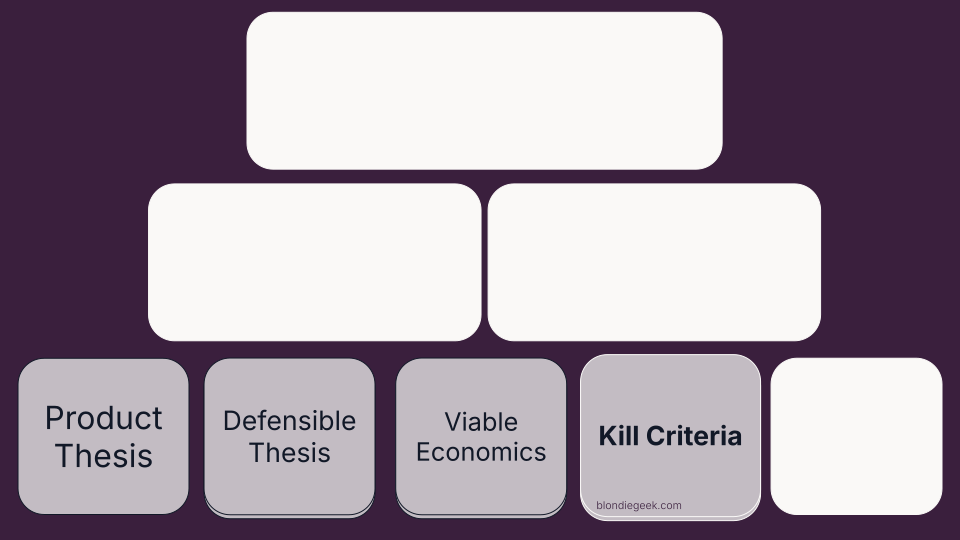
You’ve done the thinking. You have a thesis. The model might work. So the urge to build kicks in. But this is the moment founders lose objectivity — when sunk cost, identity, and optimism start distorting signals. Without clear failure criteria, MVPs expand, evidence gets reinterpreted, and money burns while confidence stays high. The real risk isn’t quitting too early. It’s continuing too long.
Early customer conversations can be useful — but they’re often mistaken for validation. When anecdotes replace evidence, teams move faster with more confidence, not less risk. This post explains why that’s dangerous, how it quietly distorts early product decisions, and what “validation” actually has to do at this stage.
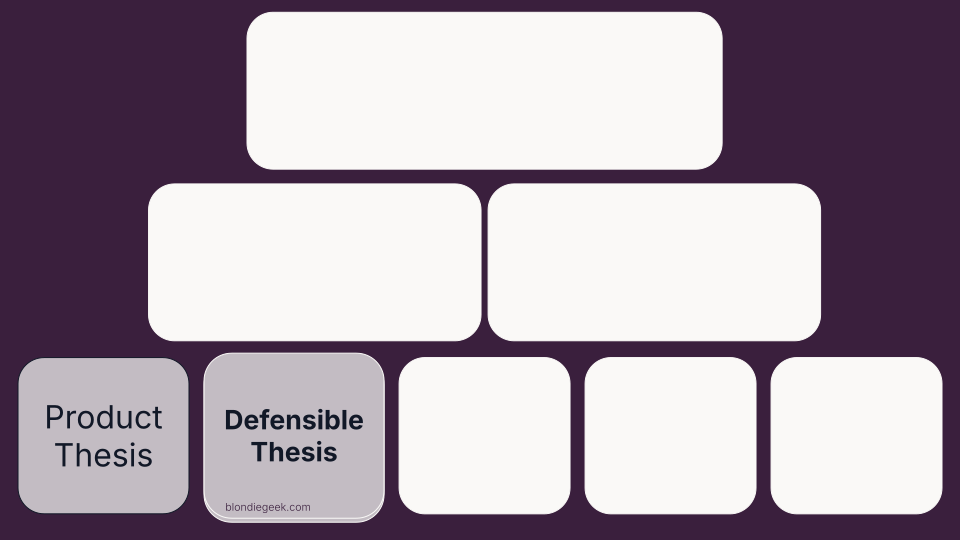
Early-stage teams often mistake motion for clarity. When a product thesis isn’t defensible, every downstream decision becomes noisier, slower, and more expensive than it needs to be.