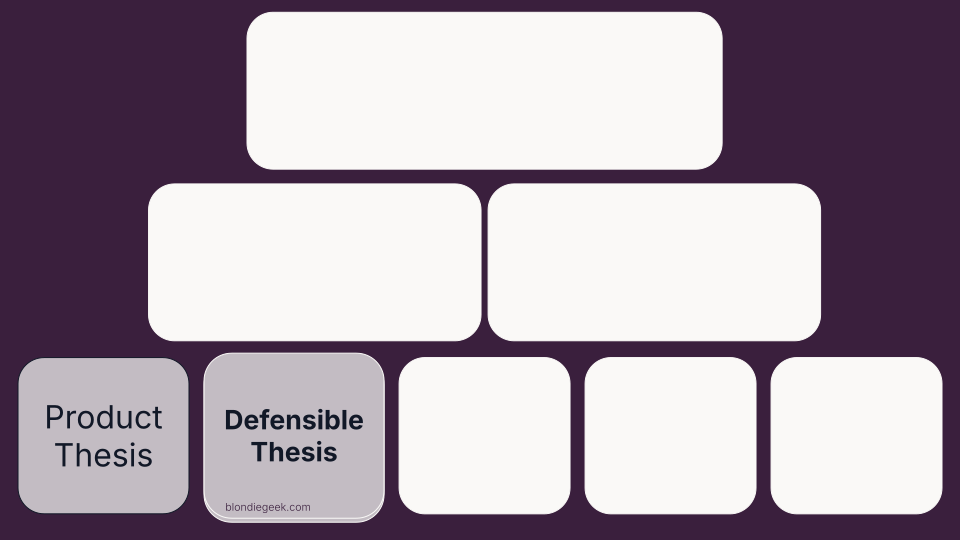
AI is the hub of my workday now. I'm all in. And that's exactly why I'm more convinced than ever that the fundamentals are non-negotiable — because without them, you're just exploring everything and building nothing.
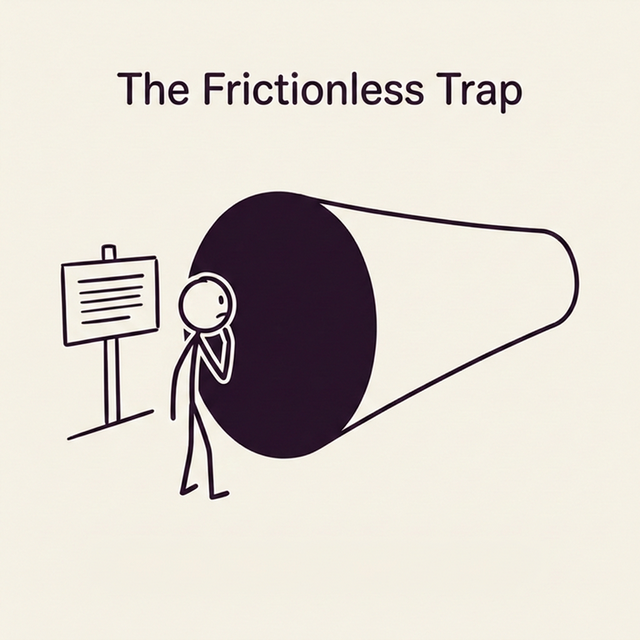
We built a perfect, distraction-free onboarding flow—and it stalled out. Here is why breaking the golden rule of CRO and giving users an escape hatch resulted in a 300% conversion bump.
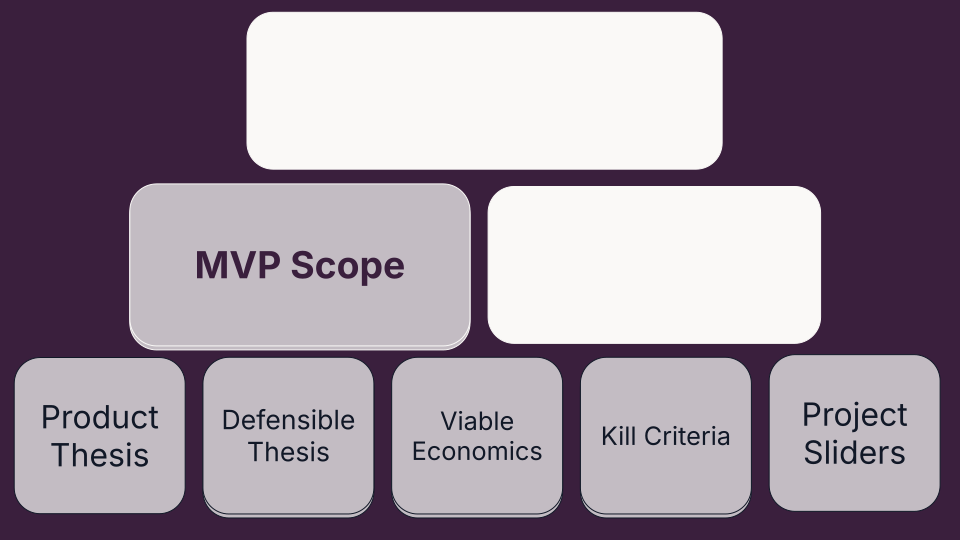
Most founders treat an MVP like a stripped-down version of their final vision. That is how you build an inadequate product that takes too long. To ship something that matters, you need to define exactly one core flow—and ruthlessly cut everything that doesn't block it.
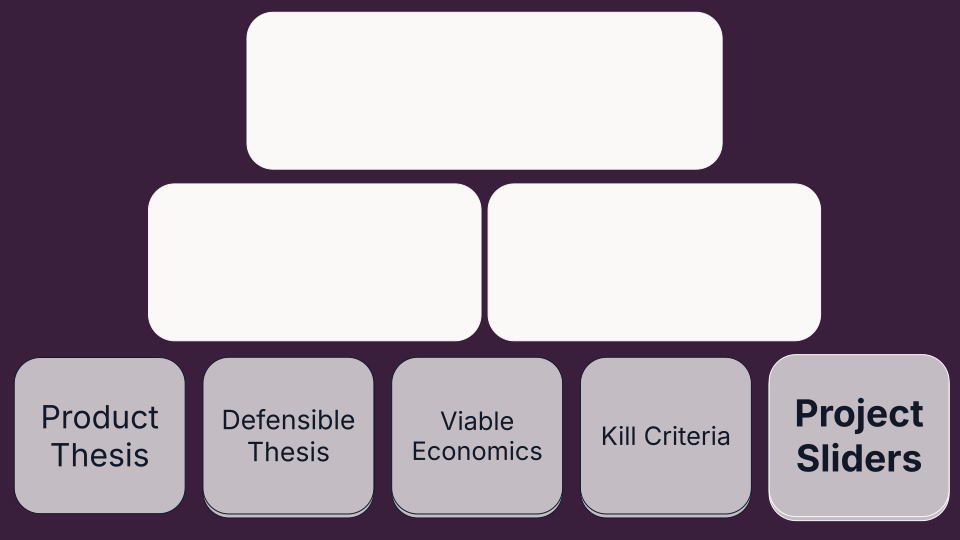
Refusing to choose is far more dangerous than moving slowly. If you haven't explicitly ranked your project sliders, the universe will rank them for you.
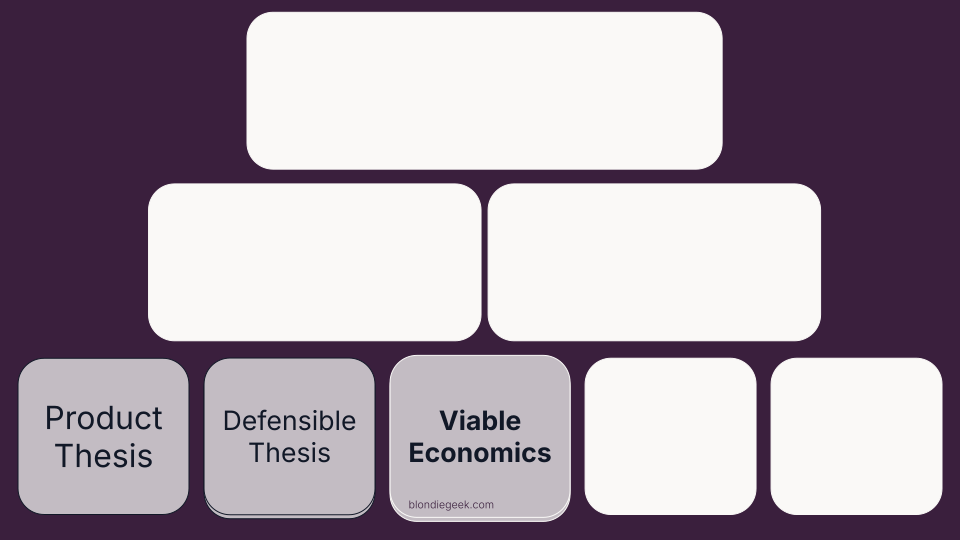
Early traction answers one question well: does anyone care? It answers a much harder one very poorly: does this work as a business? This piece examines why teams defer unit economics, how early momentum masks structural risk, and why waiting to confront viability is one of the most expensive mistakes a startup can make.
Early customer conversations can be useful — but they’re often mistaken for validation. When anecdotes replace evidence, teams move faster with more confidence, not less risk. This post explains why that’s dangerous, how it quietly distorts early product decisions, and what “validation” actually has to do at this stage.
The real job of a product manager isn't shipping features—it's detective work. Here's the first-principles thinking that cuts through noise and actually delivers results.
When AI works, it's helpful. When it doesn't, it's a frustrating time sink. Here's my pragmatic take—and a 5-step filter to decide if it belongs in your product work.
Hire slow, fire fast’ isn’t about being ruthless — it’s about protecting your team. Rushed hires create long-tail damage, and delayed exits quietly drain morale. This piece breaks down what the mantra actually means in practice, and how strong leaders use it to build durable, high-performing teams.